Dynamic Pricing for Self-Storage: How AI Replaces Your Revenue Manager
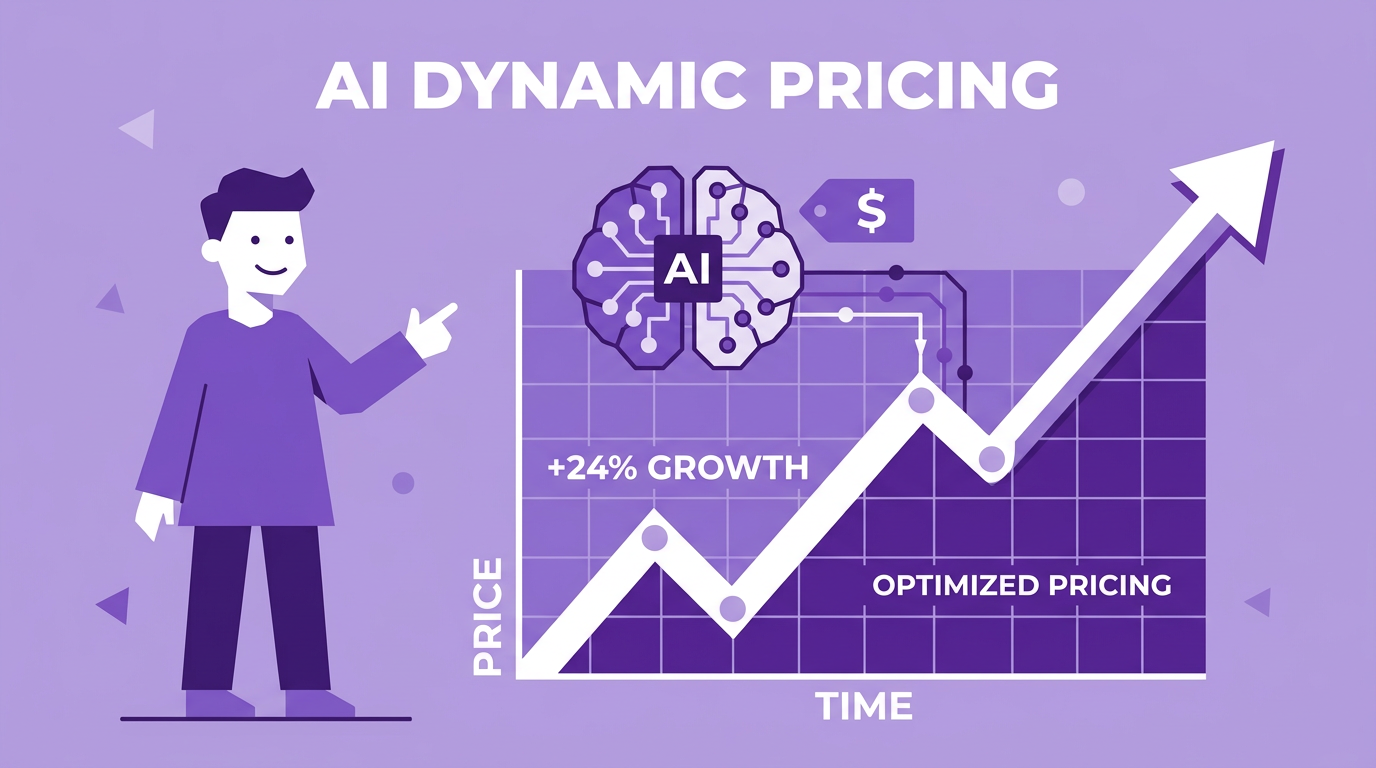
Static pricing in self-storage is dead. The operators still setting rates quarterly (or annually) are leaving 5-15% of revenue on the table. The ones using AI-driven dynamic pricing are capturing it. Here’s how it works and why you don’t need a revenue manager to run it.
The Old Model: Revenue Manager as Rate Setter
Traditionally, a “revenue manager” (or a GM with a spreadsheet) would:
- Look at occupancy by unit type
- Compare to “market” (whatever that means)
- Adjust rates up or down based on gut feel
- Repeat quarterly or when occupancy tanked
Problems: Slow. Reactive. Inconsistent across locations. And it required a person who “got” pricing—a scarce and expensive skill in self-storage.
The New Model: AI as Rate Optimizer
Dynamic pricing systems use algorithms that:
- Ingest real-time data — Occupancy, reservations, move-ins, move-outs, competitor rates (where available), seasonality
- Model demand by unit type and location — 5x5s in Phoenix behave differently than 10x20s in Dallas
- Suggest or apply rate changes — Daily or weekly. Small adjustments. No big swings.
- Learn from outcomes — Did the rate change increase or decrease demand? The model updates.
The goal isn’t to maximize rate (which kills occupancy). It’s to maximize revenue per available unit — the sweet spot where rate and occupancy balance.
Why Humans Can’t Do This at Scale
A revenue manager can maybe optimize 10-20 locations with intense focus. Beyond that, it’s guesswork. AI can optimize 200 locations simultaneously, with unit-type granularity, and never get tired or take vacation.
More importantly: AI doesn’t have bias. It doesn’t “like” a certain market or “remember” when rates were lower. It just runs the numbers.
What You Actually Need
You don’t need to understand the algorithm. You need:
- Inputs: Your PMS data (occupancy, rates, unit mix) flowing into the system
- Outputs: Recommended rate changes, or auto-applied changes with your approval workflow
- Guardrails: Min/max rates, rules (e.g., “never lower 5x5 below $X”)
- Visibility: A dashboard showing what changed and why
That’s it. The AI handles the rest.
ROI Reality Check
If dynamic pricing yields even a 5% revenue lift across a 50-location portfolio doing $10M in annual revenue, that’s $500K. A revenue manager costs $80K-$120K. The math is obvious. The question isn’t whether to do it—it’s whether to do it in-house (build the team and the models) or buy a platform that does it for you.
For most PE operators, the platform wins. Focus on occupancy and operations. Let the algorithm handle pricing.