Self-Storage Occupancy Optimization: The PE Operator's Playbook
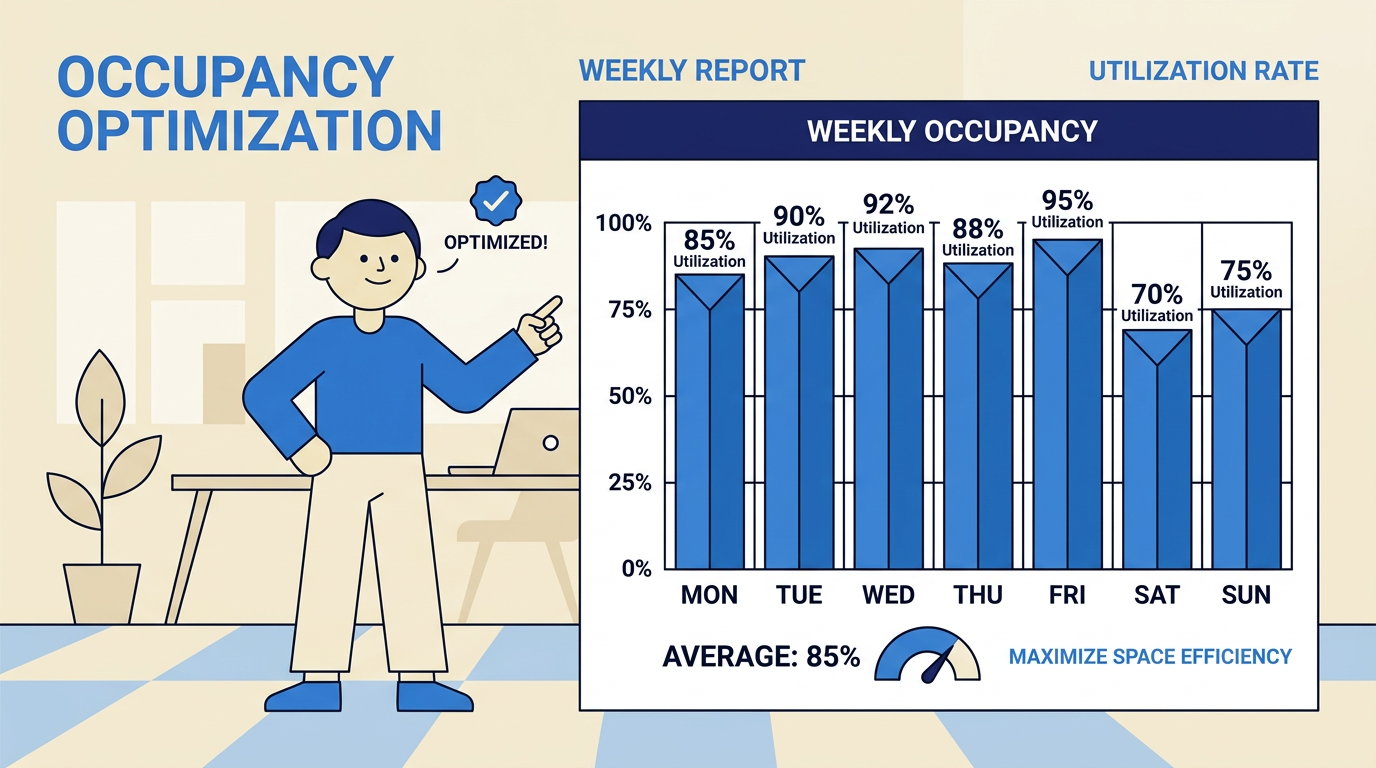
Occupancy is the alpha of self-storage. Get it right, and everything else follows—revenue, NOI, exit multiples. Get it wrong, and you’re fighting with one hand tied behind your back. Here’s the playbook top PE operators use to maximize occupancy across their portfolios.
1. Know Your Unit Mix and Its Economics
Not all units are equal. A 5x5 might have 95% occupancy and a 10x20 might sit at 70%. The aggregate number hides the problem. You need occupancy by unit type at every location.
Action: Break down occupancy by unit size. Identify underperforming unit types. Often it’s the larger units—they’re harder to fill and have longer sales cycles. Adjust marketing and pricing accordingly.
2. Marketing Spend Should Follow Demand (and Data)
Blasting the same budget to every location is lazy. Some locations are supply-constrained (you can’t add units). Some are demand-constrained (you have empty units and need leads). Allocate marketing dollars to demand-constrained locations. Use data to identify where the ROI is highest.
Action: Track cost per lease by location and channel. Double down on what works. Cut what doesn’t.
3. Speed Up the Sales Cycle
The faster a lead converts to a move-in, the less likely they are to go to a competitor. Make it easy to reserve and move in online. Reduce friction (documents, payments) to the minimum.
Action: Measure time from lead to move-in. Target sub-24 hours for online reservations. If you’re at 3-5 days, you’re losing people.
4. Reduce Move-Outs With Retention Tactics
It’s cheaper to keep a tenant than to find a new one. Simple touches—autopay reminders, renewal incentives, proactive outreach when they’re overdue—can reduce churn by 10-20%.
Action: Automate delinquency management. Flag at-risk tenants early. Offer payment plans before you lock the unit.
5. Turn Units Faster
Every day a unit sits empty after move-out is lost revenue. Target sub-3-day turnaround: clean, inspect, list. If you’re at 5-7 days, you have an operational problem.
Action: Track unit turnaround time by location. Make it a manager KPI.
6. Benchmark Against Yourself
Your best locations are your template. What are they doing that underperformers aren’t? Compare occupancy, RevPAU, marketing spend, and operational metrics across locations. Replicate what works.
Action: Rank locations by performance. Deep-dive the top 5 and bottom 5. Document the differences. Systematize the best practices.
7. Use AI to Predict and Prevent Drops
Forward-looking tools can predict which tenants are likely to move out based on payment history, stay duration, and behavioral signals. Proactive retention offers can prevent those move-outs before they happen.
Action: If your platform offers predictive churn, use it. Even a 5% reduction in move-outs compounds quickly.
The Meta Lesson
Occupancy optimization isn’t a one-time project. It’s a discipline. Track the right metrics, allocate resources based on data, and iterate. The operators who do this systematically—with a single source of truth and real-time visibility—outperform those who manage by spreadsheet and gut.